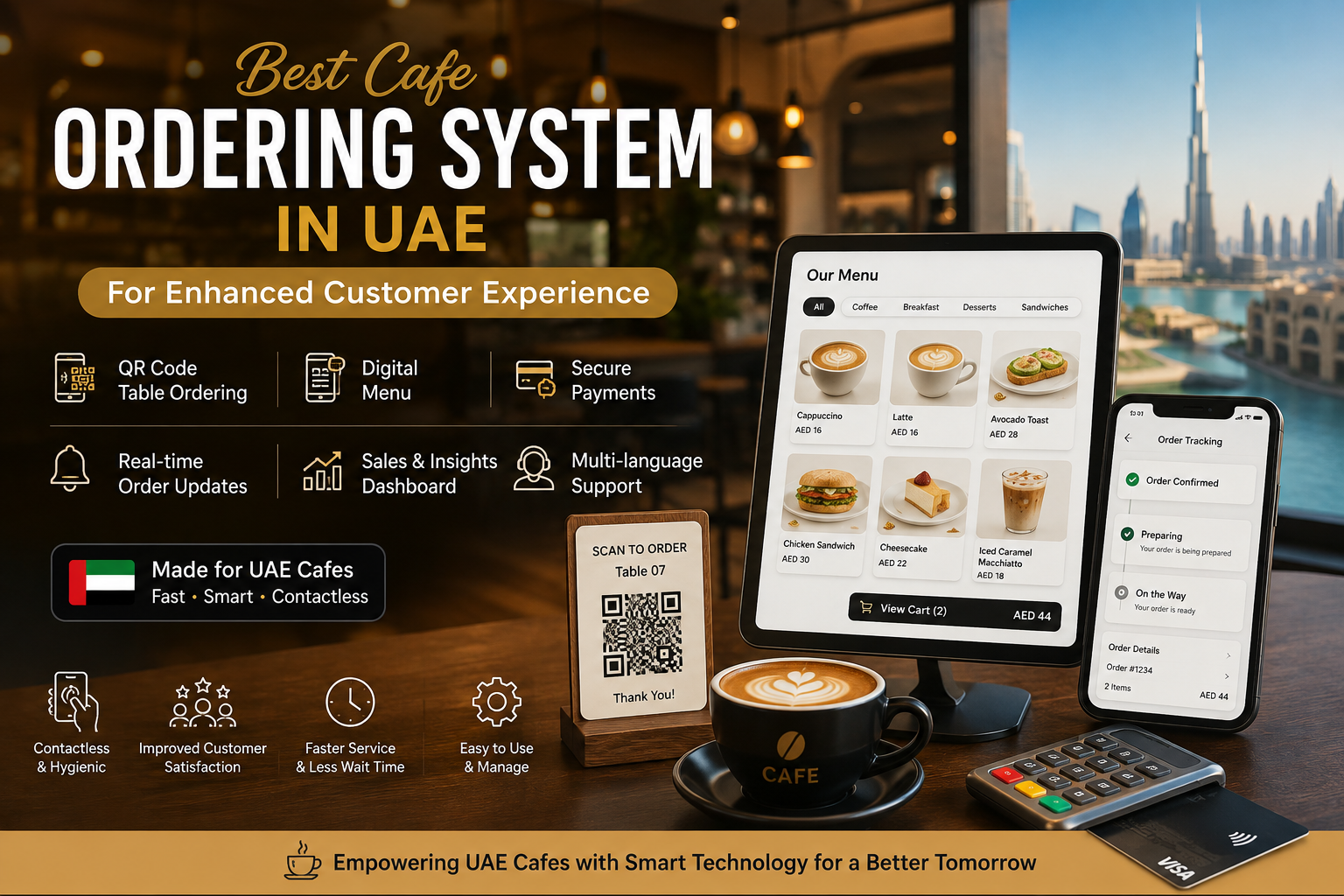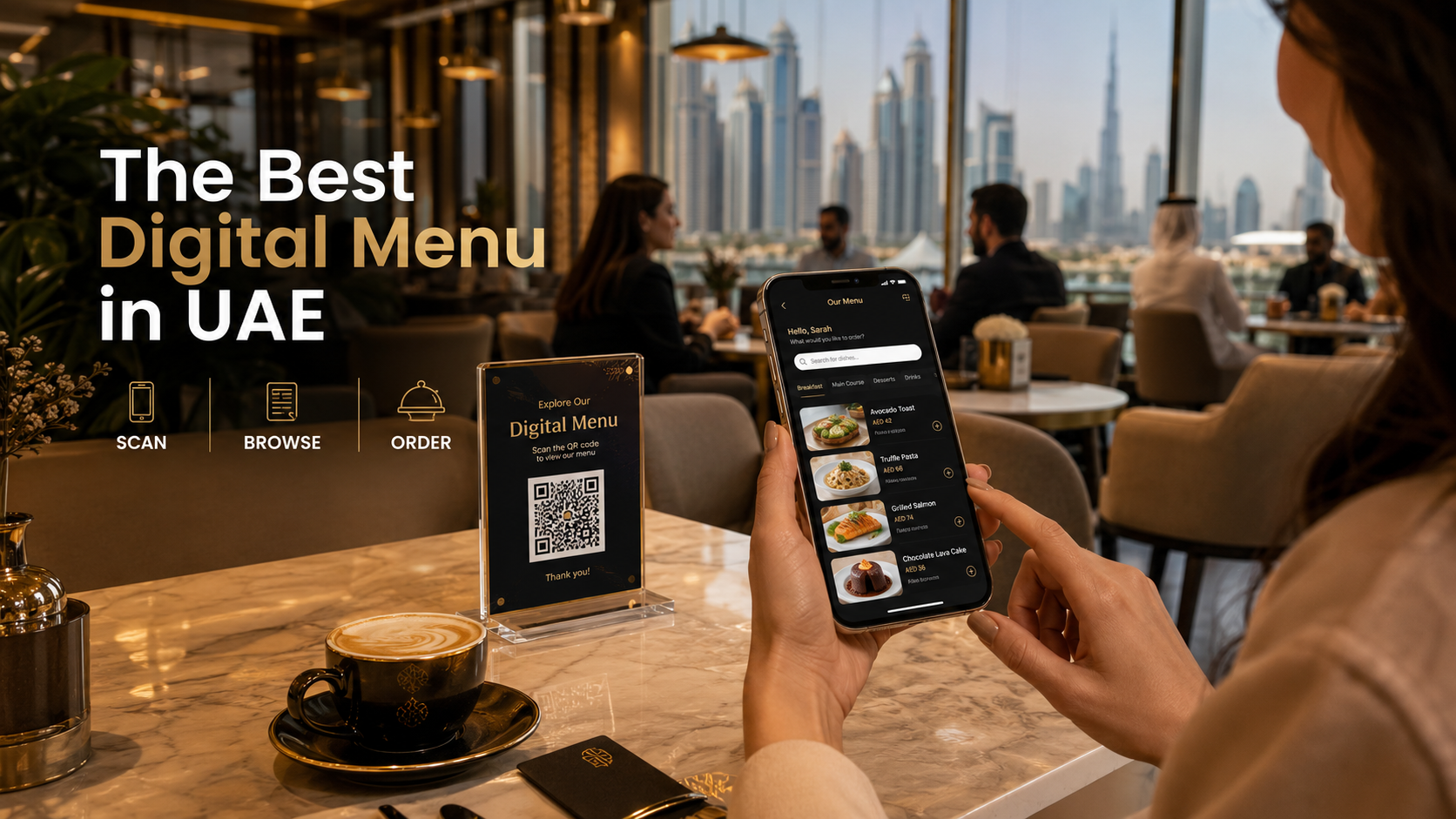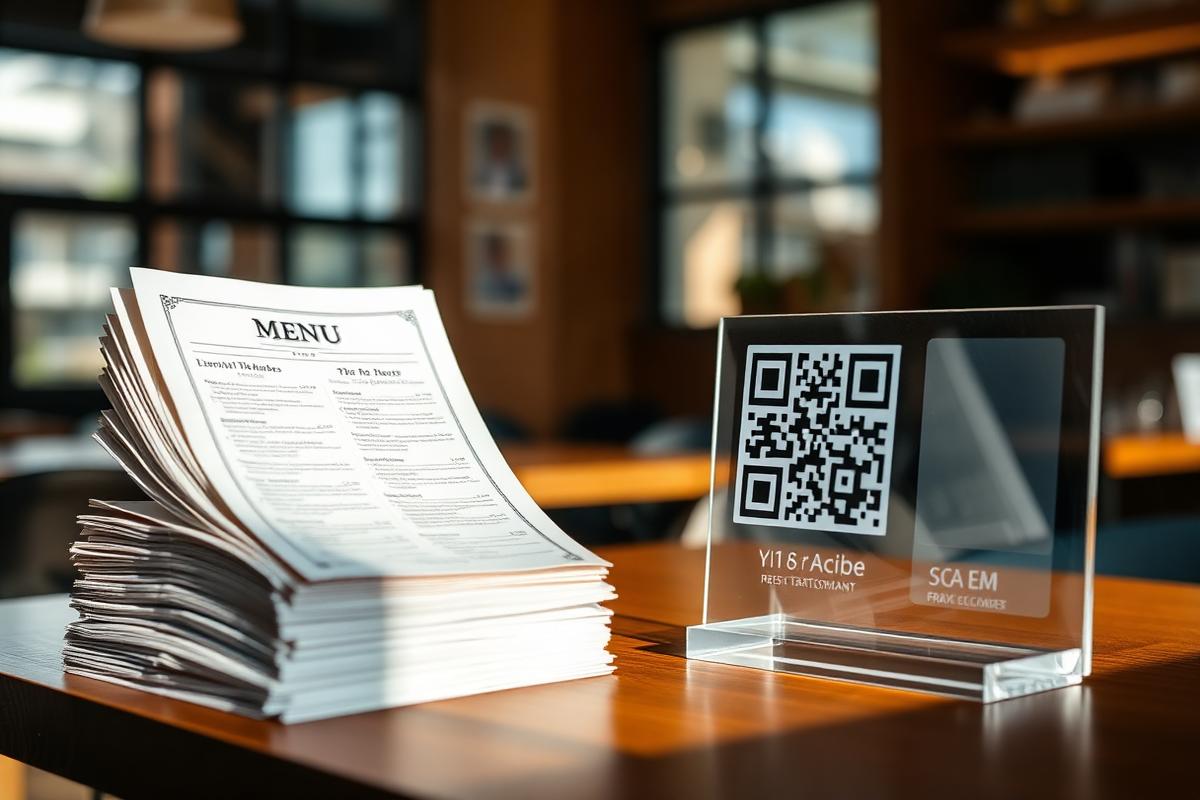
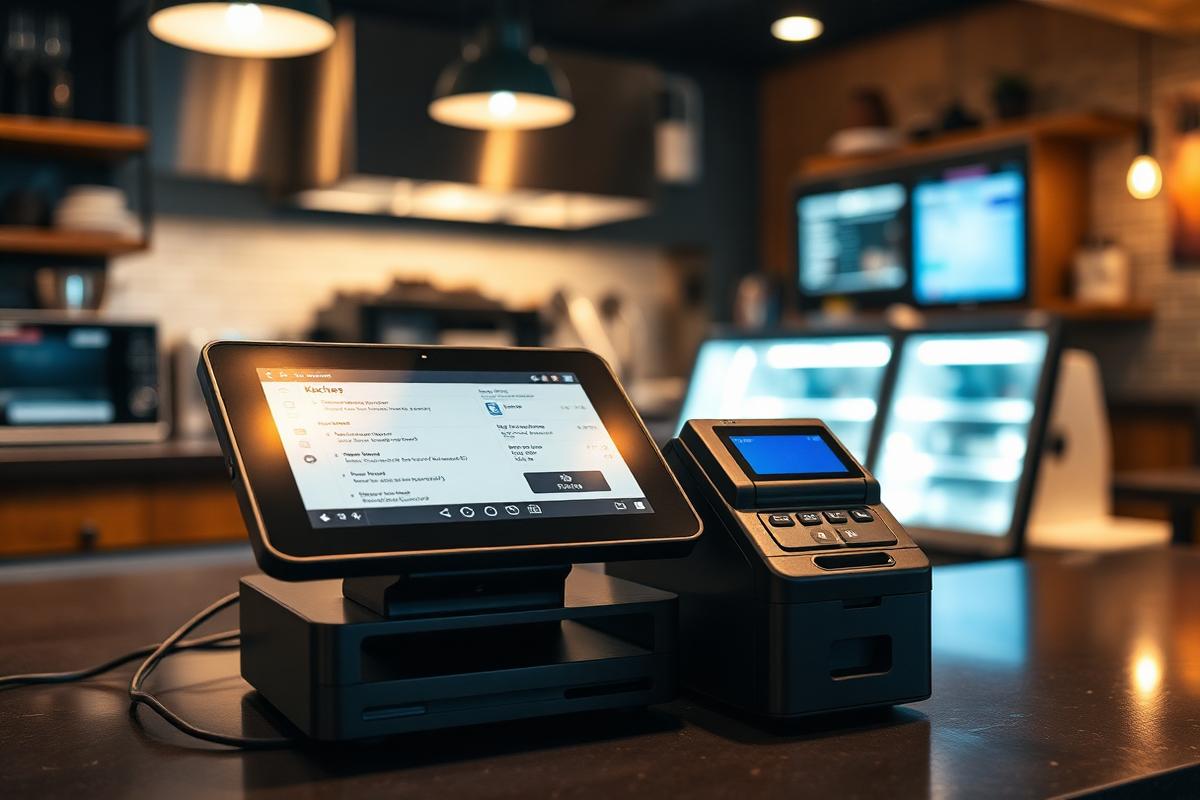
The POS is no longer a single terminal by the door. It is a stack: a menu, an order engine, a payments layer, printers, a KDS, and — increasingly — the guest's own phone. Here is the stack we recommend restaurants standardize on going into 2026.
Menu as the source of truth
Your menu should live in one place and push everywhere: QR guest view, waiter POS, kitchen display, third-party delivery. When your menu updates in one, it updates in all. Dinegram is built around this principle.
Printers: thermal is still king
80mm thermal printers over LAN or USB are the safest bet — cheap, fast, and universally supported. Keep at least one hot spare in the kitchen.
Payments: split the rails
Card, wallet, and cash should each be a first-class flow. We recommend a tap-to-pay terminal that speaks to your POS via an open SDK, not a closed hardware bundle.
KDS over paper
Kitchen Display Systems reduce ticket loss and let you route items to the right station automatically. The best ones also give you real preparation times, which feed back into guest-facing wait estimates. The unifying principle: pick pieces that expose an API. If a device or service cannot be integrated, it will become the bottleneck of your entire stack within a year.